
ගාසා ගැන මධ්යස්ථයි, මුල්ලිවයික්කාල් ගැන නිහඬයි
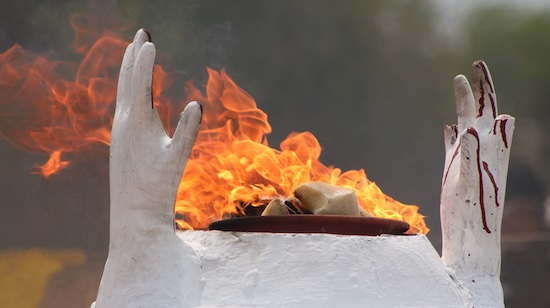 Photo: Colombo Telegraph
AI summary · 2 min read
2 min readFrom 1 outlets- Colombo Telegraph says NPP members were permitted to attend events for relatives killed in the war but advised against LTTE memorials.
- The guidance followed NPP councillors’ attendance at a tribute in Chavakachcheri.
- The UN human rights office issued its report on 26 November, covering the period from 2006 to May 2009.
- The commentary recounts findings about humanitarian workers, Muttur, Puthukkudiyiruppu hospital and food deliveries.
Colombo Telegraph reports that on 27 November, National People’s Power General Secretary Nihal Abeysinghe said party members could take part, on humanitarian grounds, in events remembering relatives who died in the war, but had been told to stay away from ceremonies honouring deceased LTTE fighters. Colombo Telegraph says the guidance came after NPP councillors attended a tribute at Chavakachcheri Pradeshiya Sabha, while Tamil families in the North-East observed Maaveerar Naal.
Colombo Telegraph says the NPP is led by the JVP, which the commentary says engaged in two armed uprisings against the state, in 1971 and 1987–89, and continues to honour its own dead in April and November through Il Maha Viru. The article draws a contrast between those commemorations and the restrictions it describes on Tamil remembrance.
Colombo Telegraph reports that the UN human rights office issued a report called “I died many times” on 26 November, examining attacks on humanitarian personnel, hospitals and relief efforts from 2006 through May 2009. According to Colombo Telegraph, the report concluded that the attacks formed a pattern rather than isolated or accidental events, and documented 66 humanitarian workers killed or disappeared.
Colombo Telegraph says the report examined the 2006 killing of 17 Action Contre la Faim staff in Muttur and cited new evidence pointing to security forces. Colombo Telegraph also reports that Puthukkudiyiruppu hospital was repeatedly shelled after its coordinates had been provided to the government, while more than 500 patients were being treated there; the commentary says then-defence secretary Gotabaya Rajapaksa described the hospital as a legitimate target.
Colombo Telegraph reports that in February 2009, less than 100 tonnes of food reached a trapped population whose requirement was 4,950 tonnes. Colombo Telegraph says the shortfall was partly due to Colombo insisting that the population was much smaller than it was. The outlet adds that the report also criticised the LTTE, but said that did not lessen the state’s obligations, and that nobody had been held criminally responsible in the four cases it examined.
Your take
Be the first to reactDiscussion
Readers' views on this storyStory alerts
Get an email when an outlet reports something new on this story.
Earlier coverage
Reports on the same subject from the months before this story.